If you train at the gym, protein is one of the nutrition foundations worth understanding. The goal is to get enough across the day, distribute it sensibly, and choose sources that suit your preferences, budget, and schedule.
How much protein do gym-goers need?
Needs depend on body weight, training volume, training or weight-management goals, and total calories. For healthy adults with minimal activity, a common baseline is 0.8 g/kg/day. For people who train regularly, the ISSN position stand commonly points to 1.4-2.0 g/kg/day to support training adaptations.
For example, a 65 kg person training 3-5 times per week might consider roughly 90-130 g/day, depending on goals. This is not a prescription; it is a practical range to discuss with a coach or qualified nutrition professional if needed.
Do you need protein immediately after training?
You do not need protein within minutes of finishing a workout. Total daily intake is still the foundation. A protein-containing meal or snack within a few hours around training is a practical way to distribute that intake, especially if your previous meal was several hours earlier.
Common protein sources
| Source | Strength | Watch out for |
|---|
| Eggs | Easy and affordable | Combine with other foods for variety |
| Chicken, fish, lean meat | Protein-dense | Requires preparation |
| Tofu and beans | Fits Vietnamese meals | Portions may need to be larger |
| Greek yogurt or protein milk | Convenient | Check sugar |
| Whey or protein powder | Quick to prepare and easy to measure | Useful, not mandatory |
| Protein bar | Portable | Check calories and label |
Are protein bars useful for gym training?
Yes. A protein bar is convenient when you train after work, do not have time to prepare a snack, or need something in your bag. It does not replace the rest of your diet, but it provides a labeled amount of protein when your next meal is still some time away.
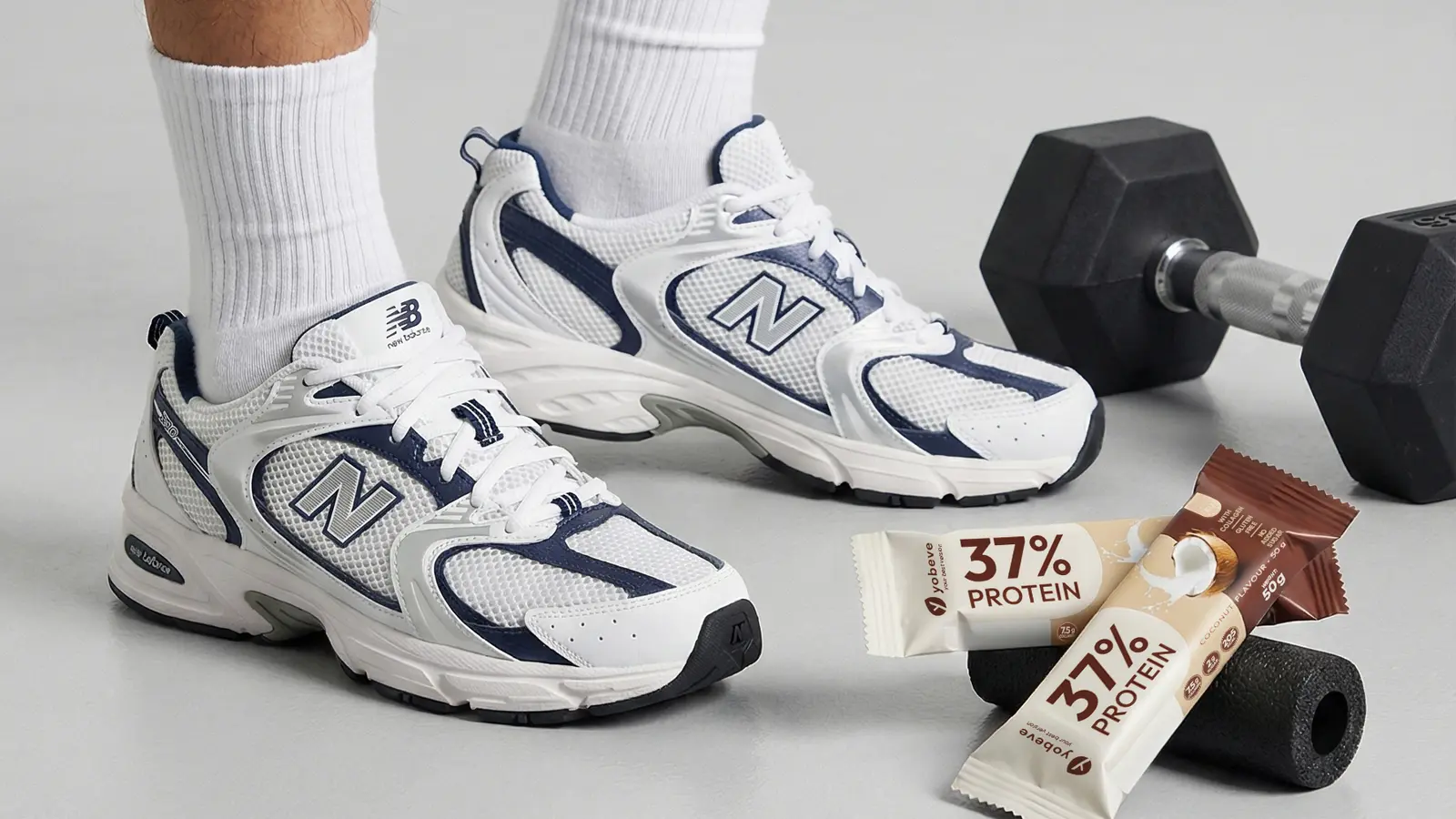
Each Yobeve bar weighs 50 g and contains 205 kcal. Chocolate Caramel Protein Bar provides 15 g of protein, while Coconut Protein Bar provides 18.5 g. Both use MPC as the main protein ingredient alongside hydrolyzed collagen and have no added sugar.
A simple day structure
- Breakfast: eggs or Greek yogurt.
- Lunch: rice with a main protein source.
- Pre-workout: a light snack if hungry.
- Post-workout: dinner, or a protein bar if dinner is delayed.
- Evening: protein, vegetables, and carbs matched to your goal.
Bottom line
Protein for gym training does not need to be complicated. Prioritize the daily total, spread it across the day, choose sources you can repeat, and use protein bars as a convenient tool when training and work collide.