Busy days create predictable nutrition problems: you skip breakfast, meetings run long, the gym is after work, or the only easy snack nearby is sweet coffee, milk tea, or a pastry. A protein bar is useful because it gives you a planned high-protein snack before hunger makes the decision for you.
Used at the right moment, it can bridge the gap until your next balanced meal without requiring a fridge, shaker or preparation.
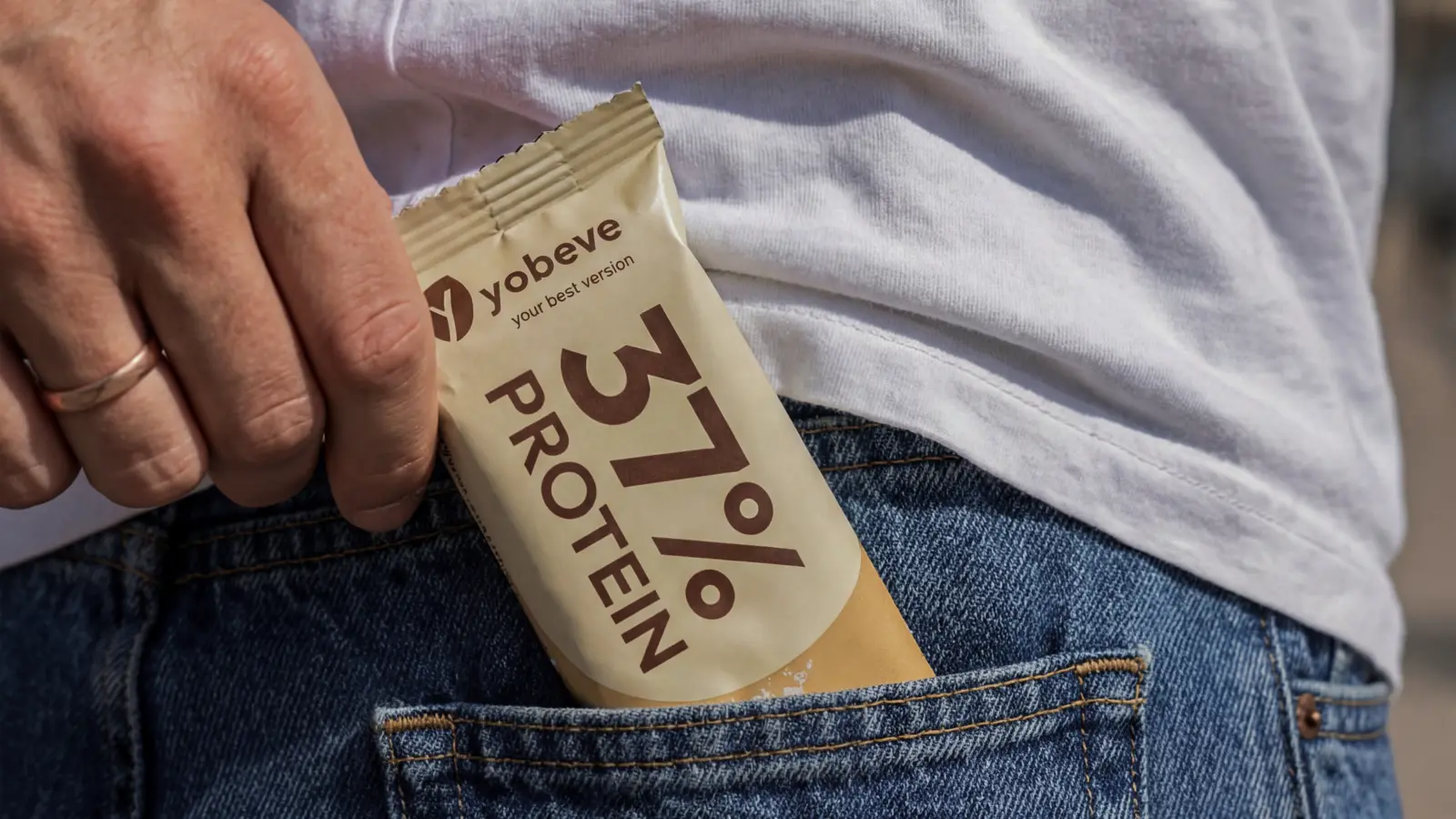
What a protein bar does well
A good protein bar solves three practical problems:
- It is easy to carry.
- It gives you a clear amount of protein.
- It comes in a ready-to-eat, portioned format.
That makes it helpful for office workers, students, people who train after work, and anyone who moves around the city with an unpredictable schedule.
When protein bars are most useful
Protein bars work best as a planned snack, not as an automatic extra. The strongest use cases are:
| Situation | Why it helps |
|---|
| Afternoon at work | Provides a planned protein option between meals |
| Before training | Provides a planned snack when your last meal was several hours earlier and a bar feels comfortable for you |
| After training | Bridges the gap until a balanced meal |
| Travel or commuting | Keeps a reliable snack in your bag |
| Busy mornings | Helps when breakfast was too small or skipped |
If you are already full, you may not need another snack. When you are hungry between meals, a protein bar can provide a portioned option with a clearly stated amount of protein.
How to choose one
Do not choose only by packaging. Read the label quickly:
- Protein: the amount should be clear.
- Added sugar: check whether a recipe with no added sugar suits your preference.
- Energy: it should fit your snack goal.
- Ingredients: check allergens, gluten, dairy, collagen, and sweeteners.
- Flavor: choose one you genuinely enjoy.
The best protein bar is not necessarily the one with the highest numbers. It is the one whose protein, energy, ingredients and flavour fit your day.
How Yobeve fits
Yobeve protein bars are made in Slovakia for convenient moments between meals. Chocolate Caramel provides 15 g protein and Coconut provides 18.5 g; both 50 g bars contain 205 kcal and have no added sugar. Their recipes use no gluten-containing ingredients.
Choose Chocolate Caramel Protein Bar when you want something richer and dessert-like. Choose Coconut Protein Bar when you want a lighter tropical flavor.
Both are designed to be easy to carry in a work bag, gym bag, or travel kit and should be stored according to the directions on the label.
A simple busy-day routine
Try this structure:
- Eat a normal protein-containing breakfast when possible.
- Keep one protein bar available for the afternoon or commute.
- Use it as a planned snack when it fits your day, not simply because it is there.
- Eat a balanced meal later with vegetables, carbs that match your activity, and another protein source.
This makes the bar one convenient part of a varied diet.
FAQ
Can I eat a protein bar every day?
Yes, if it fits your overall diet and energy needs. Use it as a planned snack and consider the rest of your day.
Can a protein bar replace lunch?
Occasionally, when plans change, it can bridge the gap until you can have a balanced meal. It should not replace balanced meals regularly.
What does no added sugar mean?
Under EU rules, it means that no monosaccharides, disaccharides, or other foods used for their sweetening properties were added. The product may still contain naturally occurring sugars, as well as authorised sweeteners and polyols, so read the complete label.
Bottom line
Protein bars are most valuable when they make busy-day eating easier. Keep one ready, use it at the right moment, and choose a bar with clear protein, no added sugar, and a flavor you actually enjoy.