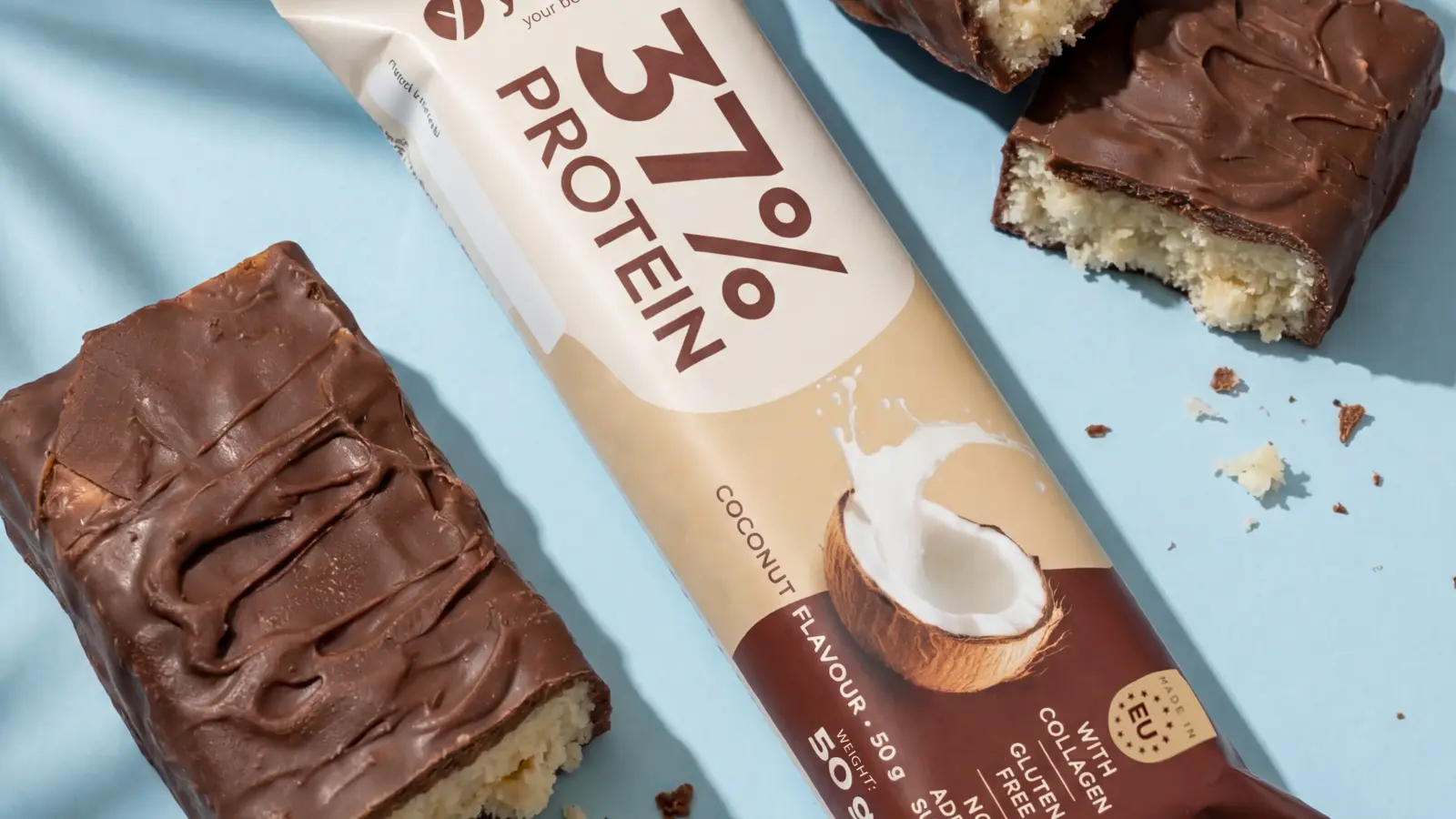
A high-protein snack does not need to be complicated. Eggs, yogurt, tofu, edamame, or a protein bar can all contribute a clear amount of protein when you do not have time to prepare another full meal.
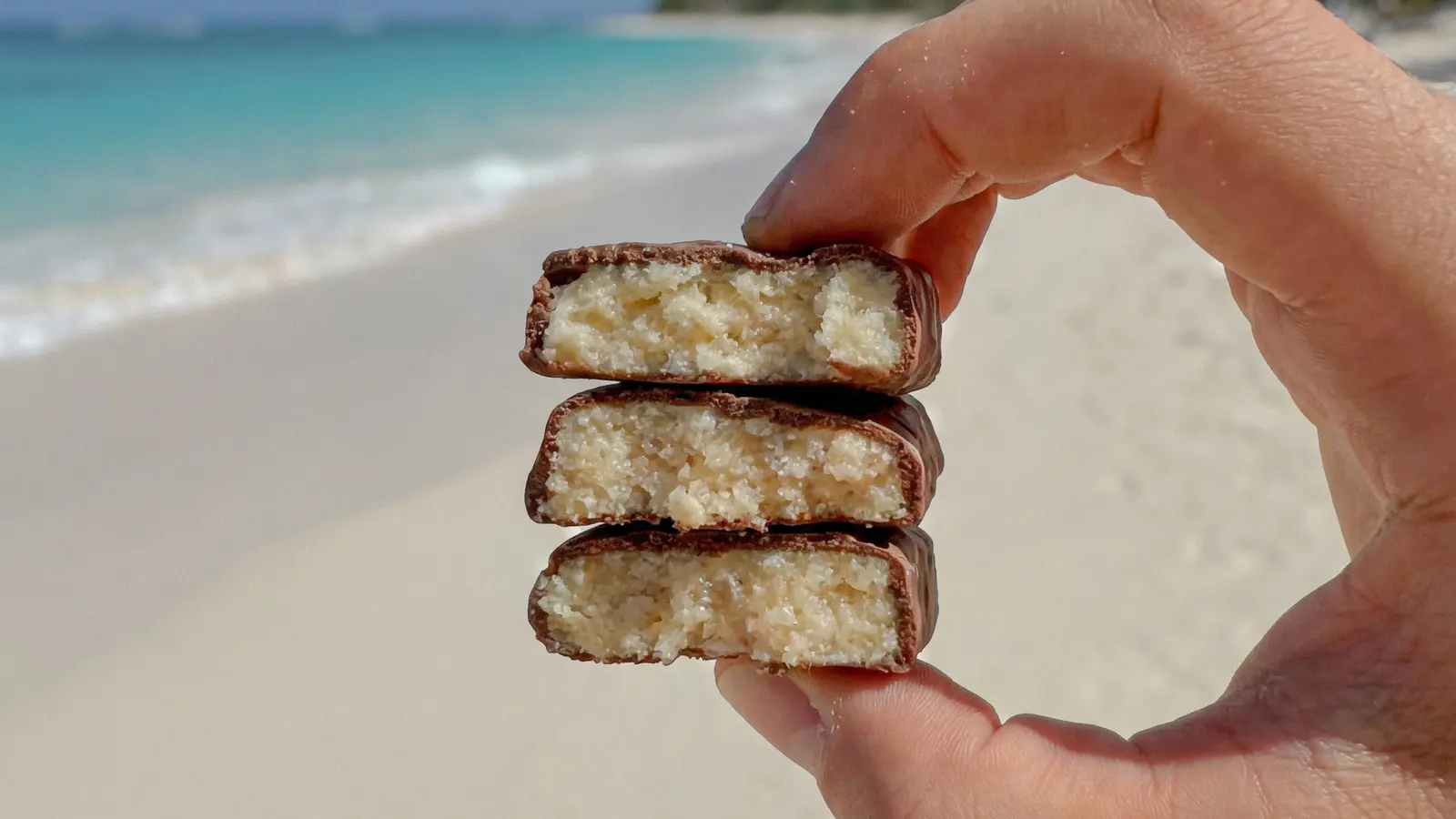
Why add protein to snacks?
Protein can make a snack more balanced and may support satiety, especially alongside appropriate fiber or fat. The result still depends on the serving size and the rest of your diet.
10 high-protein snack ideas
| Snack | Best for |
|---|
| Boiled eggs | Home or office fridge |
| Greek yogurt | Cool, easy snack |
| Edamame | Plant-based option |
| Silken tofu with light sauce | At-home snack |
| Canned tuna | Savory, fast protein |
| Protein milk | When you prefer drinking |
| Whey shake | Post-workout |
| Nuts with yogurt | More fat and texture |
| Protein bar | Work, school, travel |
| Cottage cheese | Savory snack or paired with fruit |
Why protein bars are useful
The main advantage of a protein bar is convenience. You can keep one in your bag, desk drawer, or gym bag, with the protein and energy already stated per serving.
That is useful on busy days in Vietnam, when a portable protein-rich snack makes planning easier.
How to assess a high-protein snack
A snack can look healthy without being high in protein. Ask:
- How much protein does it have?
- Is there a lot of added sugar?
- Do the calories fit a snack?
- Are there allergens you need to avoid?
- Will it keep you satisfied until your next meal?
Where Yobeve fits
For an office or travel-friendly bar, Coconut Protein Bar provides 18.5 g of protein and Chocolate Caramel Protein Bar provides 15 g in each 50 g bar. Both contain 205 kcal, have no added sugar, use MPC as the main protein ingredient, and include hydrolyzed collagen.
Bottom line
High-protein snacks do not need to be complicated. Keep a few options that suit where you will eat, your storage conditions, and your energy needs; variety makes the routine easier to maintain.