Protein is one of the three main macronutrients, alongside carbohydrates and fat. Understanding its role makes it easier to build balanced meals, whether your priority is general health, training, or simply planning a useful snack for a busy day.
What protein does
Protein is made from amino acids. Your body uses it to build and maintain muscle, tissue, enzymes, hormones, and many other structures. It is not only for gym-goers. Everyone needs protein daily.
A common baseline recommendation for healthy adults is about 0.8 g of protein per kg of body weight per day. A 60 kg adult, for example, starts around 48 g per day for basic needs. People who train regularly often need more. Sports nutrition guidance commonly lands around 1.4-2.0 g/kg/day, depending on training volume, body composition goals, and total calories.
The protein gap often happens between meals
Vietnamese meals can include fish, eggs, tofu, chicken, pork, seafood, beans, or dairy. The bigger gap often appears during snacks: sweet milk tea, pastries, chips, candy, or coffee drinks can add energy without much protein.
If you regularly get hungry between 3 pm and 5 pm, a protein-containing snack can make that part of the day more balanced. How satisfying it feels also depends on the serving size, fiber, fat, and the rest of your diet.
A simple way to plan protein
Start with three steps:
- Estimate your body weight and activity level.
- Spread protein across meals instead of saving it all for dinner.
- Give each meal or snack a clear protein source: eggs, Greek yogurt, fish, lean meat, tofu, beans, whey, or a protein bar.
Consistency matters more than perfection. You do not need to count every gram forever, but you should know whether your day has enough clear protein sources.
Where protein bars fit
A protein bar is useful when you need something portable, portioned, and easy to keep in a bag. For office workers, students, travelers, and people training after work, a protein bar can be a better snack than a pastry or low-protein packaged snack.
When choosing a protein bar, check four things:
| What to check | Why it matters |
|---|
| Protein amount | Look for clear grams or protein percentage |
| Added sugar | "No added sugar" can help if you are managing sugar intake |
| Overall macros | Calories, fat, fiber, and protein should make sense together |
| Taste | If you dislike it, the habit will not last |
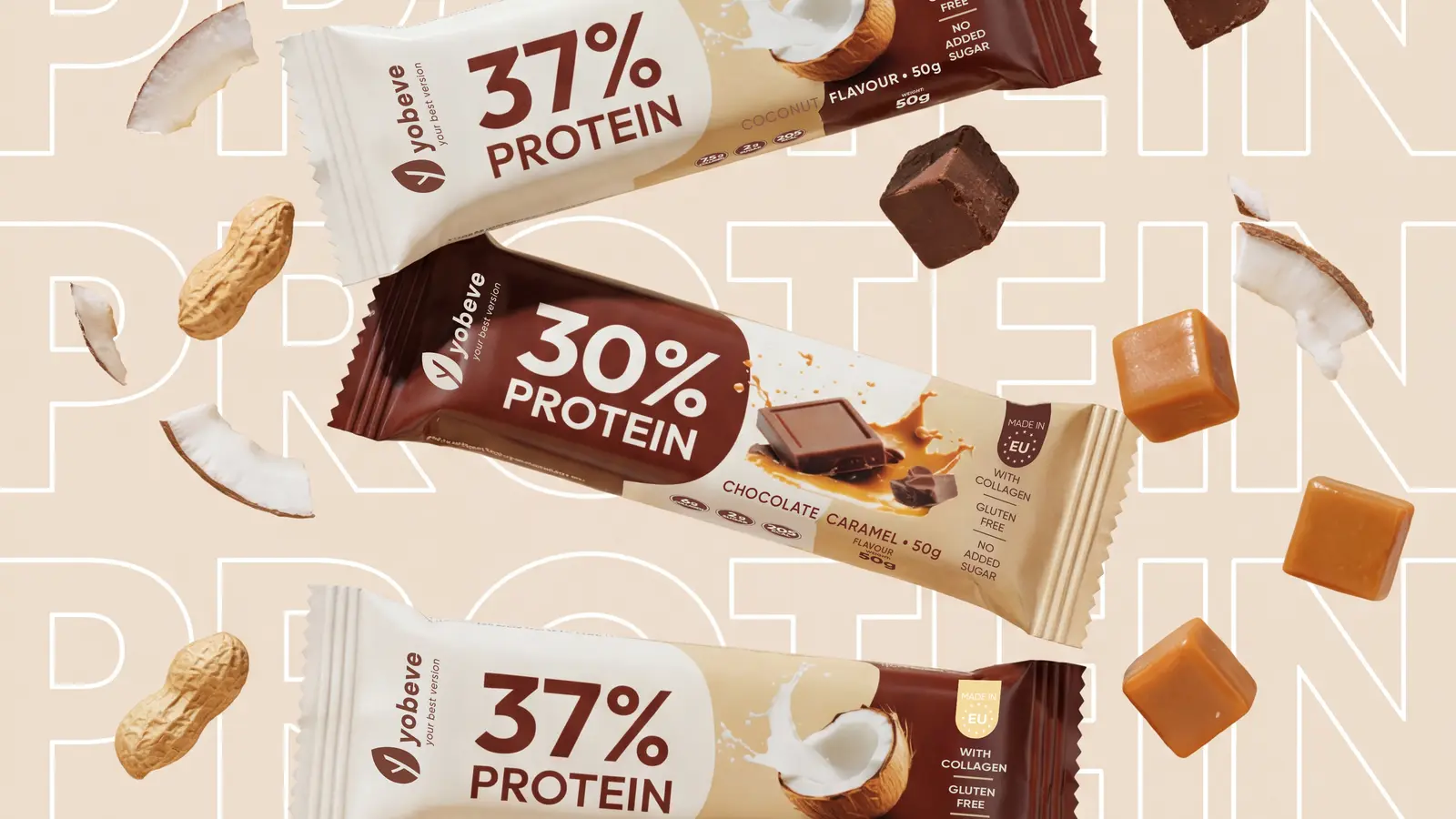
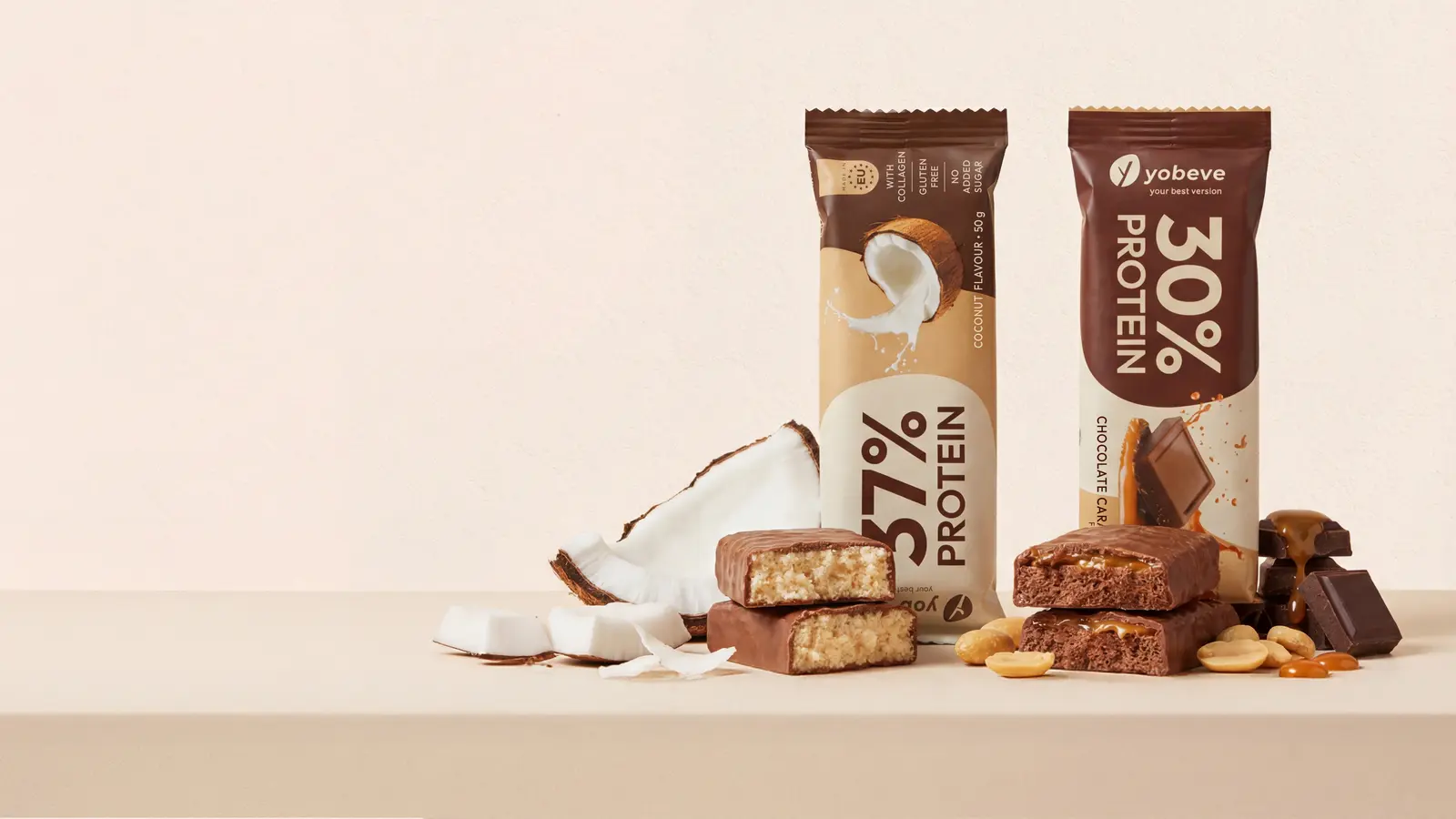
Yobeve bars are built for this use case. Each 50 g bar provides 15 g of protein in Chocolate Caramel or 18.5 g in Coconut, with MPC as the main protein ingredient alongside hydrolyzed collagen, and no added sugar. The bars are produced in Slovakia, European Union, and need no mixing or preparation. Compare Chocolate Caramel Protein Bar and Coconut Protein Bar to choose the flavor and protein amount that suit you.
Safety note
Protein matters, but the rest of the diet still counts: vegetables, fruit, suitable carbs, healthy fats, water, and sleep. If you have kidney disease, are pregnant, have a medical condition, or follow a clinical diet, speak with a qualified professional before making a major protein change.
Bottom line
Protein is a foundation of a balanced diet. Start with protein-rich whole foods at meals, then use convenient options such as yogurt, eggs, or a protein bar when a snack needs to contribute more.