Whey is a popular milk protein, especially in powder form. It is a complete, easy-to-measure protein source, but it is only one of several ways to add protein through food or nutrition products.
What is whey protein?
Whey is the soluble protein fraction separated from milk during processing. Whey protein concentrate and whey protein isolate are two common forms, with different levels of refinement and different amounts of protein, lactose, and fat.
Whey supplies all nine essential amino acids. In isolated-protein research, whey generally produces a faster rise in circulating amino acids than casein. In everyday use, the rest of a meal and the serving size also affect digestion.
Protein powder is broader than whey
"Protein powder" is a broader category. Whey is one type; others include casein, milk protein, soy, pea, rice, and plant-based blends. If you avoid dairy or follow a vegan diet, choose an appropriate plant source. If you are lactose-intolerant, check the individual formula because lactose content varies between whey types and finished products.
Protein bars vs protein powder
A protein bar needs no shaker, water, or mixing. It is a formulated food rather than a single protein powder, typically combining protein with fats, fiber, sweeteners, and ingredients that create flavor and texture. That makes both the nutrition panel and ingredient list important.
| Format | Strength | Best for |
|---|
| Whey powder | Quick to prepare and easy to measure | People who prefer protein as a drink |
| Plant protein powder | Dairy-free options | Vegan or lactose-sensitive diets |
| Protein bar | Ready to eat and portable | Work, study, travel, commuting |
| Whole foods | Nutrient variety | The base of the diet |
Do you need whey for training results?
No. Training progress depends on resistance training, total protein and energy intake, recovery, and other factors. Whey is one convenient way to add protein; meat, fish, eggs, dairy, tofu, beans, and other protein-rich foods can all contribute to the daily total.
When a protein bar may be better than whey
Choose a protein bar when:
- You do not want to mix powder at the office.
- You need something in your bag.
- You want a snack, not a drink.
- You are traveling or commuting.
- You want a more satisfying afternoon option.
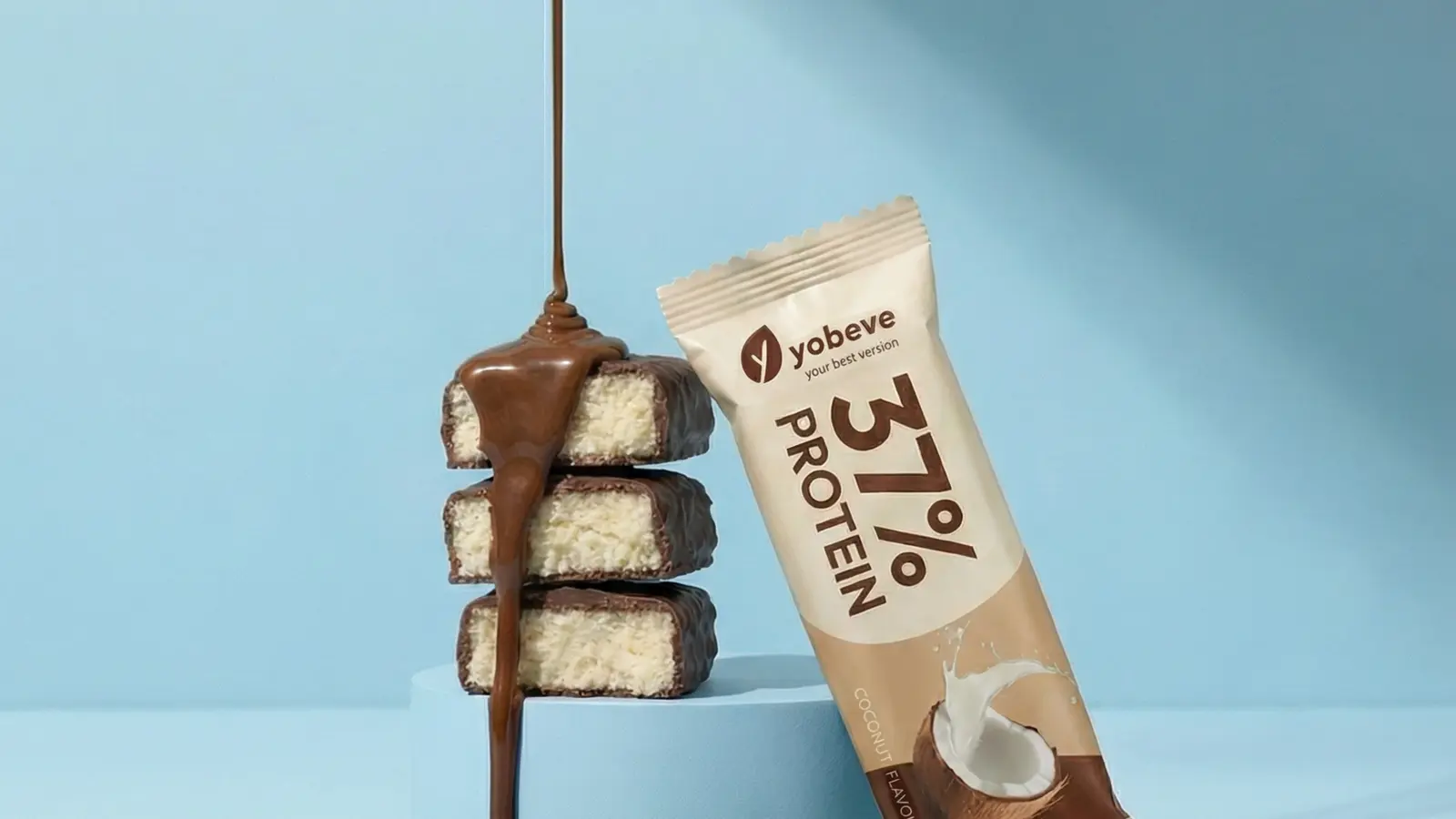
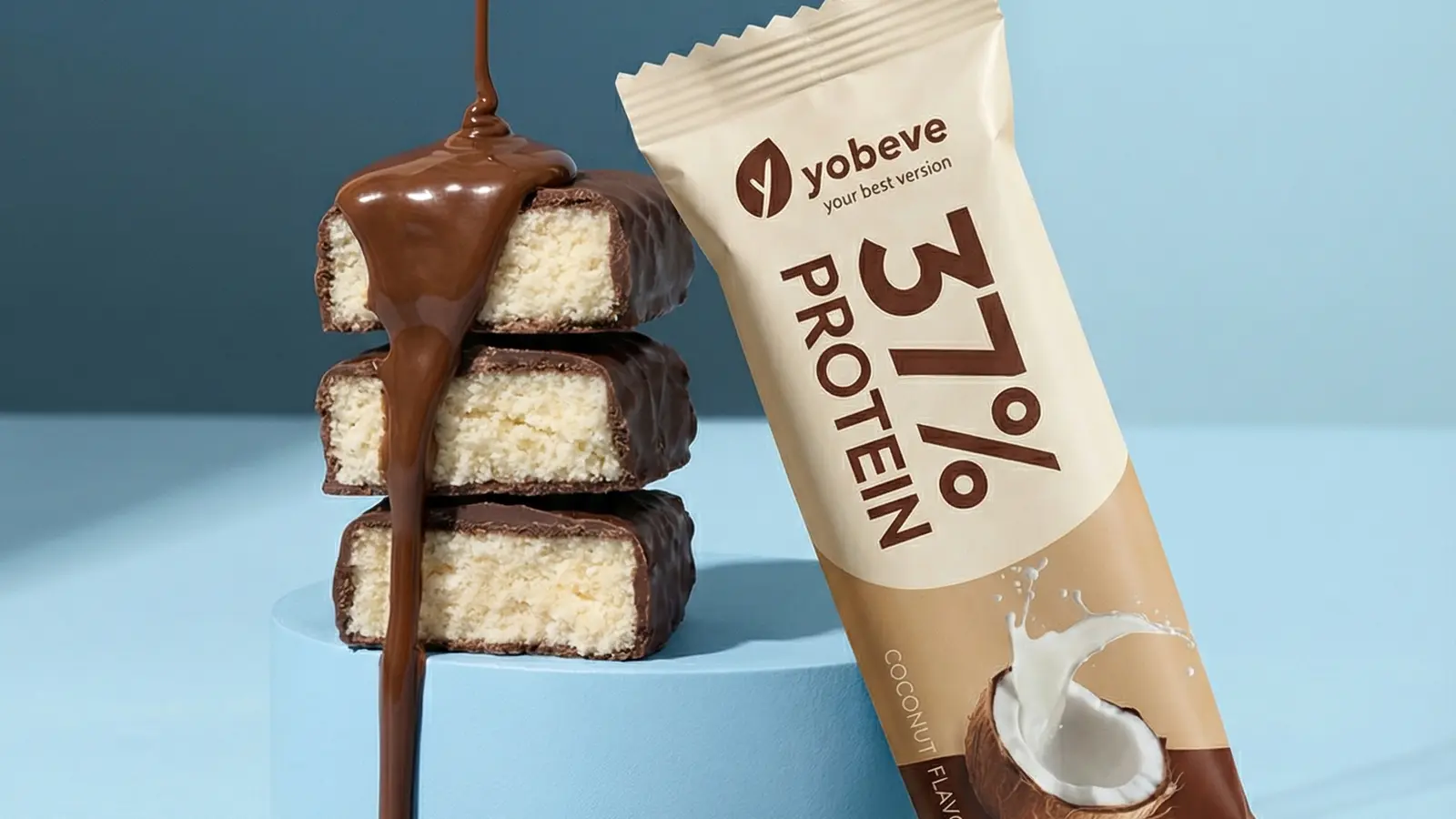
Yobeve uses milk protein concentrate (MPC) as its main protein ingredient rather than building the bar around a whey-only formula. MPC retains both casein and whey in milk's natural balance, while hydrolyzed collagen contributes a different amino-acid profile to the recipe. Chocolate Caramel provides 15 g of protein per bar and Coconut provides 18.5 g. Both have no added sugar and are ready to eat.
Bottom line
Whey is a complete milk protein and a convenient drink format. Whey powder suits people who want to measure and mix a serving; a protein bar suits people who want a ready-to-eat food. Choose according to your needs, preferences, tolerance, and the complete product label.