A protein shake is a drink that provides a clearly stated amount of protein per serving. It may be whey powder mixed at home, a smoothie with added protein, or a prepared ready-to-drink product.
The main difference between these formats is how they are used: powder gives you more control over the serving, while ready-to-drink products prioritize convenience.
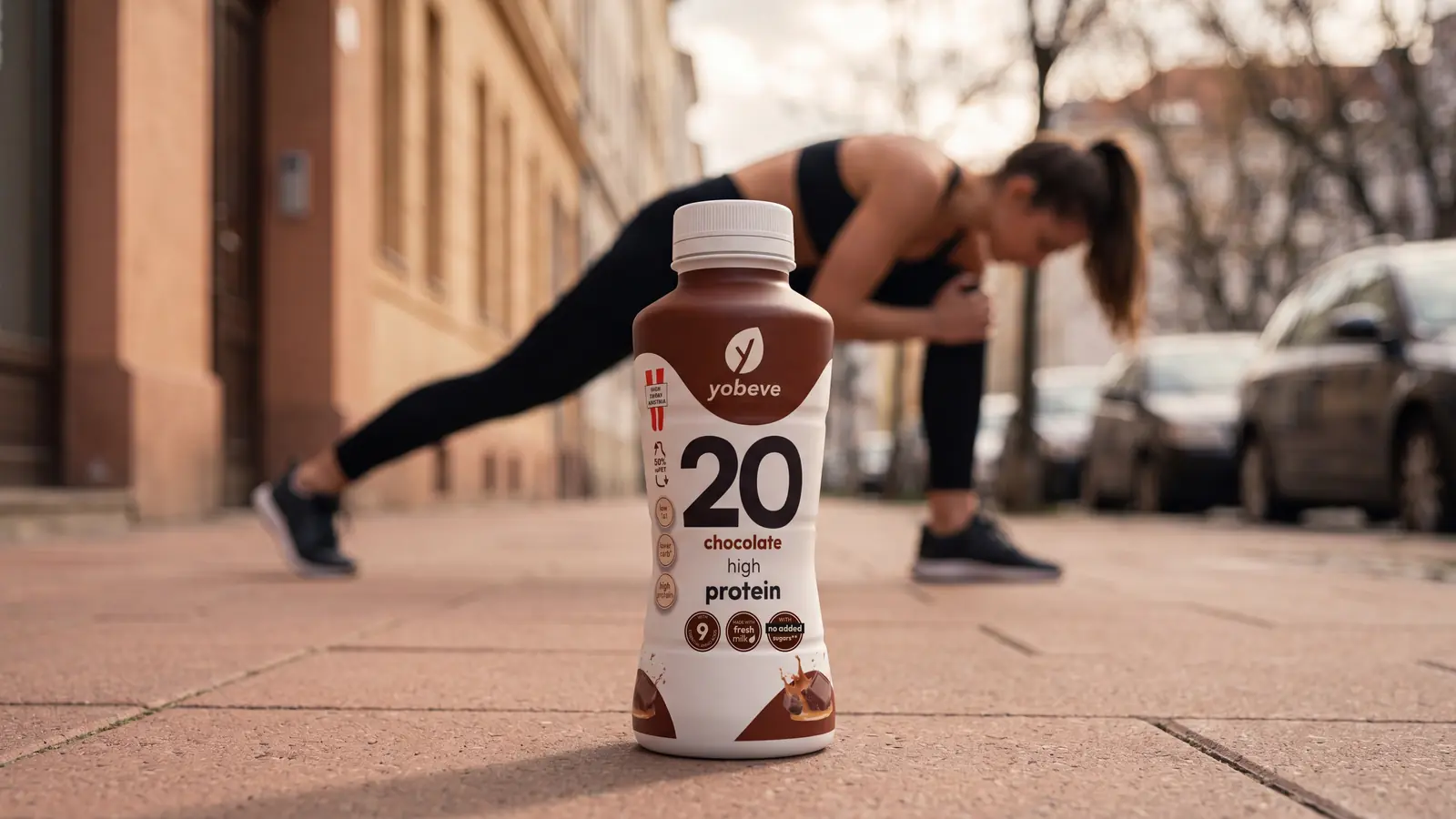
What is a protein shake?
The protein may come from whey, casein, milk protein, collagen, plant protein, or a blend. Some products suit a snack, while others add carbohydrate, fat, and micronutrients to function more like a meal-replacement drink.
The label tells you what it really is:
| Name | Usually means |
|---|
| Whey shake | Whey powder mixed with water or milk |
| RTD protein shake | Ready-to-drink protein in a bottle or carton |
| Milk protein drink | Milk-based protein drink |
| Meal-replacement drink | Usually provides more energy and a broader nutrient profile than a basic protein shake |
Where powder works best
Protein powder lets you measure the protein in each scoop, choose the amount of water or milk, and adjust the serving. It also often costs less per gram of protein than a prepared drink.
It requires a shaker, clean water, and somewhere to rinse the bottle afterward. Powder fits well when those steps are easy to include in your routine.
Where ready-to-drink works best
A ready-to-drink protein shake requires no mixing and comes in a fixed serving. Check the protein, energy, sugars, and total bottle size rather than assuming every RTD has a similar formula.
RTD protein shakes fit when:
- You train before work or between appointments.
- You want a protein snack at the office.
- You prefer the texture of a prepared drink.
- You want a drink with a clearly stated protein serving.
- You need a measured serving without mixing.
A milk-based product will generally taste different from powder mixed with water. Also check lactose, milk allergens, shelf life, and storage instructions.
Do protein shakes help with weight management?
A protein shake can fit a weight-management plan when its protein and energy are counted within the overall diet. Protein can contribute to fullness, although responses vary and a liquid drink may not feel as filling as a solid meal.
Consider whether the shake replaces a snack or is added to your existing intake. Either choice changes the total energy consumed during the day.
Do you need one after every workout?
A protein shake is one of several ways to consume protein after training. Meals, yogurt, eggs, fish, meat, whey, protein bars, and prepared protein drinks can all contribute to daily protein intake.
For regular training, sports nutrition guidance focuses on total daily protein and distribution across the day, not one perfect moment.
How to choose a protein shake
Use five checks:
- Clear grams of protein per serving.
- Total sugars and added sugars that fit your needs.
- Energy that fits how you plan to use the drink.
- Format that fits your life: powder, RTD, milk-based drink, or protein bar.
- A flavor you enjoy.
If you prefer a snack format, read what is a protein bar. If you are comparing powders, read what is whey protein.
Bottom line
A protein shake is one format for adding protein. Powder suits people who want to adjust each serving; ready-to-drink suits people who prioritize convenience. In either case, choose by checking the protein source, protein amount, sugars, energy, and how the product fits your overall diet.