Protein drinks marketed for gym goals can serve very different purposes. Some primarily add protein, while others add both protein and substantial calories. Start with your actual goal, then compare protein, energy, sugars and serving size. Any drink still works alongside appropriate training, overall food intake, sleep and recovery.
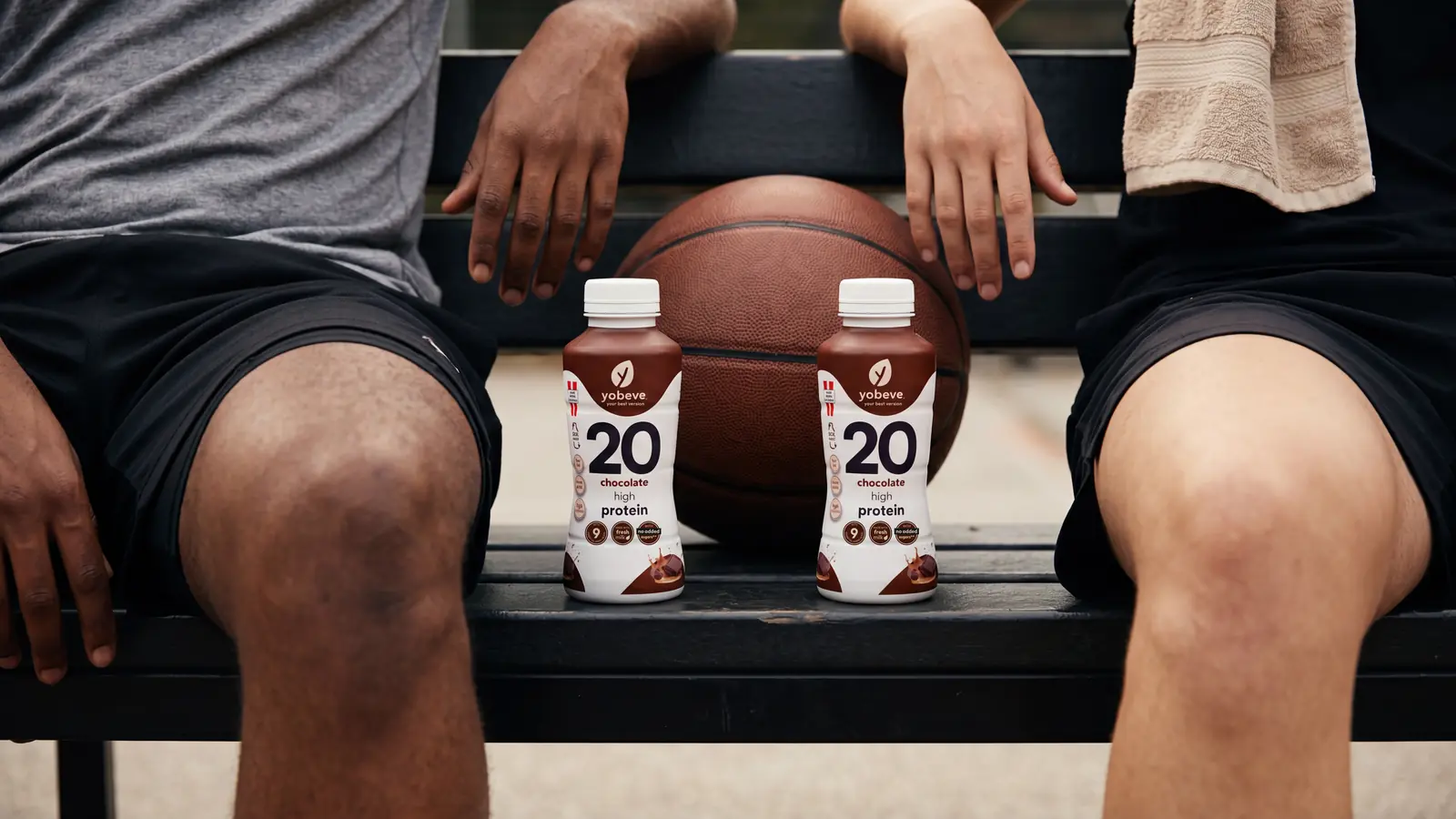
Protein drinks for training vs protein milk
Protein milk focuses on protein per serving. It can work as a post-workout drink or a high-protein snack.
Products marketed for muscle gain often promise more than a simple protein boost. Some provide extra calories from carbohydrate or fat to support people who struggle to eat enough. That may suit a deliberate weight-gain plan, but it can be unnecessary for someone who only wants a lighter protein drink.
| Goal | Better focus |
|---|
| More protein with controlled calories | Protein milk or simple protein shake |
| More calories for weight gain | Higher-calorie drink, tracked within the whole day |
| Quick post-workout option | RTD protein drink or whey |
| Convenient snack | Protein milk, protein bar, Greek yogurt |
Do you need a protein drink for training results?
No. Training results depend on three foundations:
- Progressive training.
- Enough daily protein.
- Enough total energy, sleep, and recovery.
If your meals already cover those needs, a drink is just a convenience tool. If you often miss meals or cannot eat after training, a ready-to-drink protein option can make consistency easier.
Should people trying to gain weight use higher-calorie protein drinks?
If you struggle to gain weight because you undereat, a higher-calorie drink can help. Check how the drink balances protein, carbohydrate, fat, and total energy, then include it alongside regular meals and training.
If you want to limit additional energy, choose a smaller serving or a lower-energy drink that still provides the protein you want.
Can protein milk fit weight management?
Yes, in the right context. Protein milk can help if it supports protein intake and replaces a lower-protein snack. Account for the drink's energy within your daily intake.
For this goal, prioritize:
- Clearly stated protein.
- A sugar profile that fits your needs.
- Energy that fits your goal.
- A flavor you enjoy.
- Account for it within daily intake.
What milk-based protein drinks offer
Milk-based protein drinks can provide complete dairy protein and offer a familiar, smooth texture compared with powder mixed in water. Milk also supplies nutrients such as calcium. Formulas still differ in sugars, energy, lactose, and storage needs, so the complete label matters.
But dairy does not fit everyone. People with lactose sensitivity, milk allergy, or saturated-fat concerns should read labels carefully.
How to choose in Vietnam
Use this checklist:
- Is your goal more protein or more calories?
- How much protein is in one serving?
- How many calories and how much sugar?
- What is the protein source?
- Can you follow its refrigeration and storage requirements, especially during hot weather?
- Will you use it consistently?
If you are still setting your target, start with protein for gym training. If you want a snack format today, Yobeve protein bars are already available.
Bottom line
Protein drinks for gym goals are useful when they serve a clear need: more protein, more total energy or a convenient snack around training. Choose by protein, energy, sugars, protein source and storage requirements—not only by the promise on the front of the bottle.