Protein, hay chất đạm, là một trong ba nhóm chất đa lượng bên cạnh carbohydrate và chất béo. Hiểu protein giúp bạn xây dựng bữa ăn cân bằng hơn, dù mục tiêu là duy trì sức khỏe, tập luyện hay đơn giản là chuẩn bị bữa phụ hợp lý cho một ngày bận rộn.
Protein làm gì trong cơ thể?
Protein được tạo thành từ các axit amin. Cơ thể sử dụng chúng để xây dựng và duy trì cơ bắp, mô, enzyme, hormone cùng nhiều cấu trúc quan trọng khác. Vì vậy, protein không chỉ dành cho người tập gym: mọi người đều cần bổ sung protein đều đặn qua chế độ ăn.
Mức tham khảo phổ biến cho người trưởng thành khỏe mạnh là khoảng 0,8 g protein cho mỗi kg cân nặng mỗi ngày. Người 60 kg có thể bắt đầu quanh 48 g protein/ngày cho nhu cầu cơ bản. Người tập luyện thường xuyên thường cần nhiều hơn; khuyến nghị thể thao thường nằm quanh 1,4-2,0 g/kg/ngày, tùy cường độ tập, mục tiêu và tổng năng lượng nạp vào.
Khoảng trống protein thường nằm ở bữa phụ
Bữa chính ở Việt Nam thường có cá, thịt, trứng, đậu phụ hoặc hải sản. Khoảng trống dễ xuất hiện hơn ở bữa phụ, khi trà sữa, bánh ngọt, snack mặn hoặc cà phê sữa cung cấp năng lượng nhưng thường không có nhiều protein.
Nếu bạn thường đói vào khoảng 15-17 giờ, một món ăn nhẹ có protein có thể giúp bữa phụ cân bằng hơn. Mức độ no còn phụ thuộc vào khẩu phần, chất xơ, chất béo và tổng thể bữa ăn.
Cách tính protein dễ áp dụng
Hãy bắt đầu bằng ba bước:
- Ước tính cân nặng và mức vận động.
- Chia protein ra 3 bữa chính và 1 bữa phụ nếu cần.
- Mỗi lần ăn nên có một nguồn đạm rõ ràng: trứng, sữa chua Hy Lạp, cá, thịt nạc, đậu phụ, đậu, whey, hoặc thanh protein.
Bạn không cần tính chính xác từng gam. Điều quan trọng là duy trì đều đặn. Với người tập luyện, phân bổ protein qua nhiều bữa là cách thực tế để đáp ứng tổng lượng trong ngày thay vì dồn hầu hết vào bữa tối.
Protein bar có vai trò gì?
Protein bar hay thanh protein phù hợp khi bạn cần món ăn gọn, dễ mang theo và có lượng protein rõ ràng. Với người đi làm, sinh viên hoặc người tập luyện sau giờ làm, thanh protein có thể là lựa chọn tốt hơn bánh ngọt hoặc snack ít dinh dưỡng.
Khi chọn thanh protein, hãy đọc 4 điểm:
| Tiêu chí | Cách kiểm tra |
|---|
| Protein | Có ghi rõ gram hoặc phần trăm protein |
| Đường thêm vào | Đọc công bố "không thêm đường" cùng tổng đường và chất tạo ngọt |
| Năng lượng | Phù hợp với vai trò của bữa phụ và mục tiêu trong ngày |
| Hương vị | Dễ ăn thì mới duy trì được |
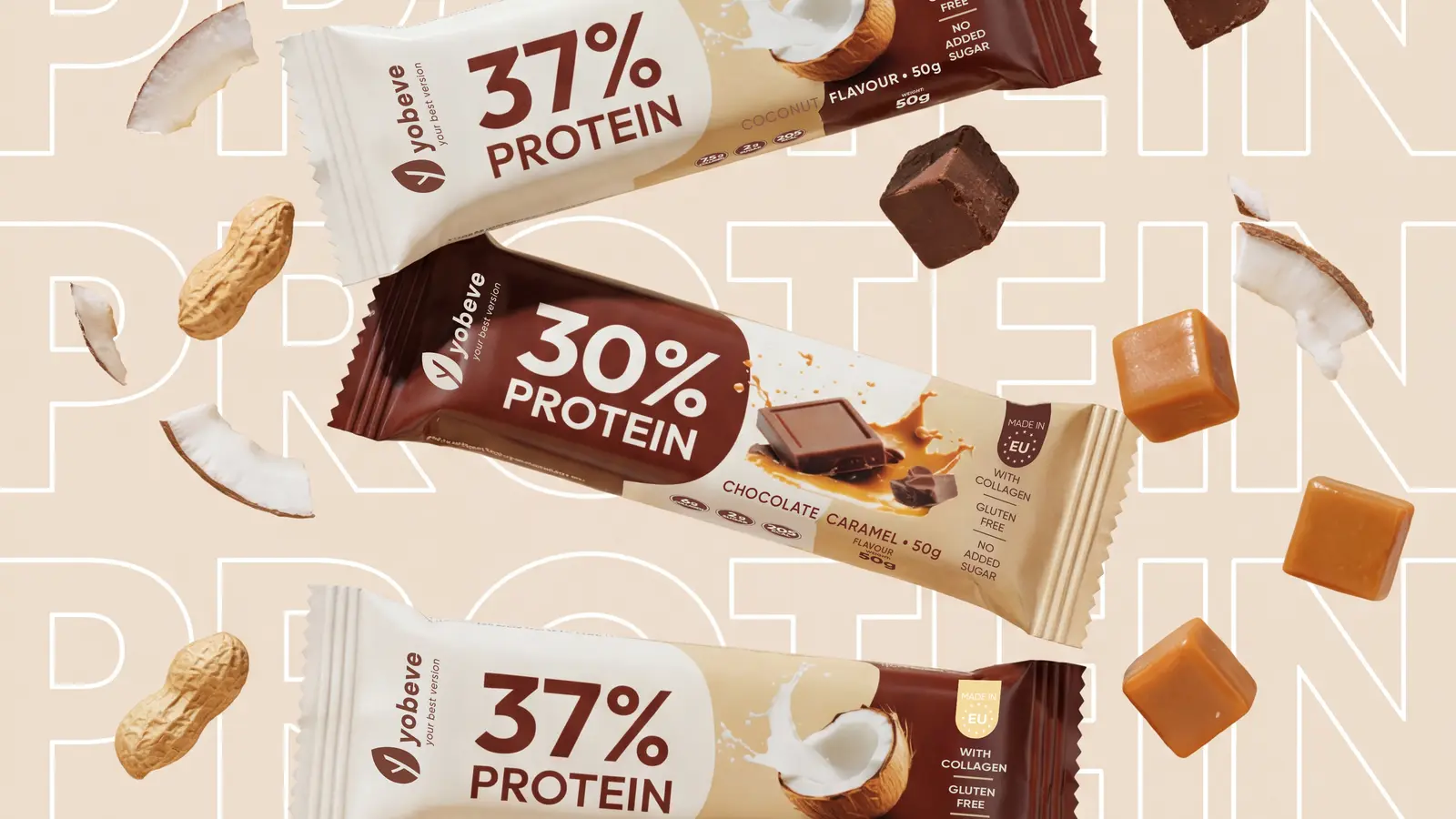
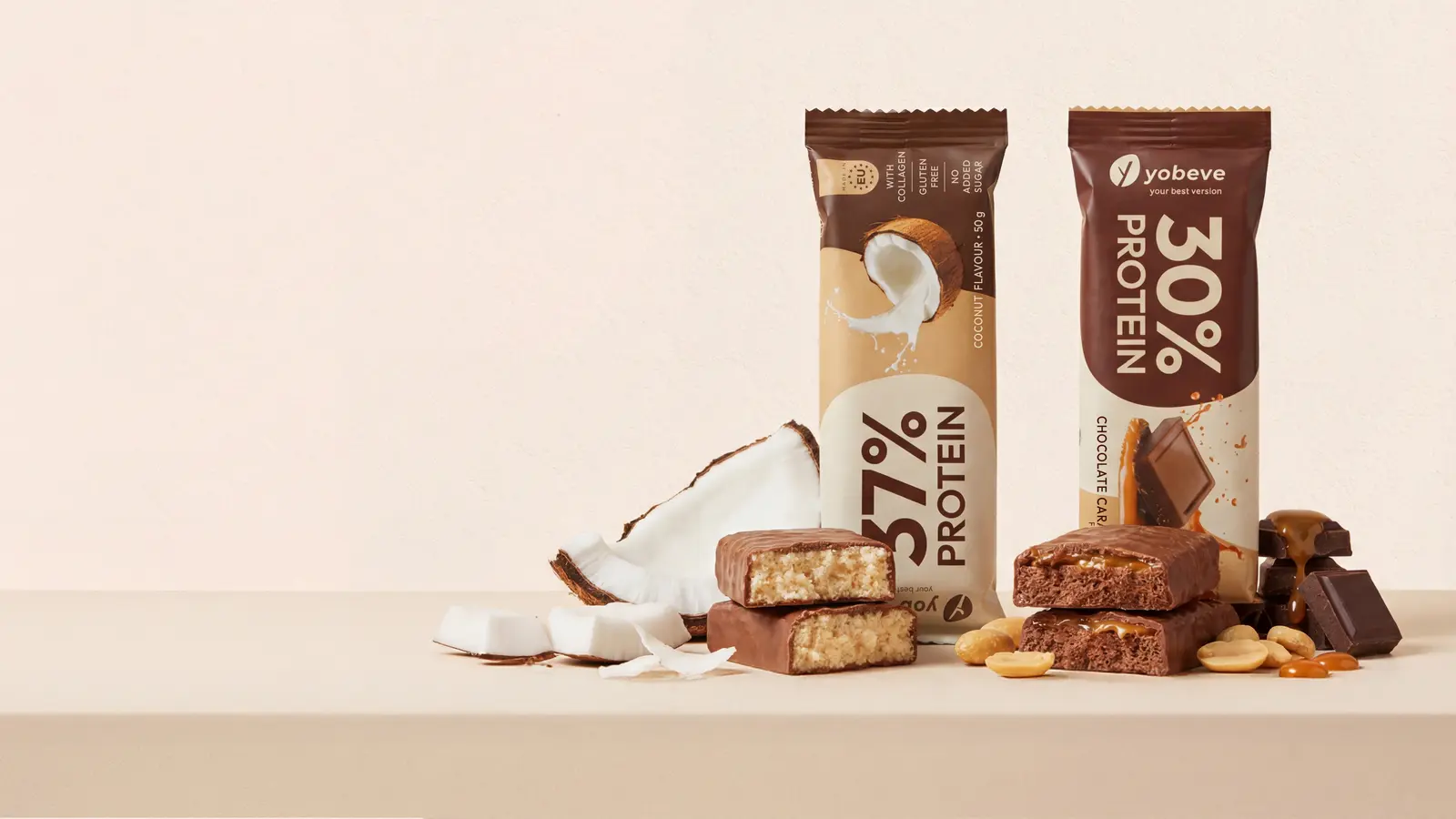
Thanh protein Yobeve được thiết kế cho những lúc cần một bữa phụ gọn và có thông tin dinh dưỡng rõ ràng. Mỗi thanh 50 g cung cấp 15 g protein ở vị Chocolate Caramel hoặc 18,5 g ở vị Coconut, với protein sữa cô đặc (MPC) làm nguyên liệu protein chính, kết hợp collagen thủy phân và không thêm đường. Sản phẩm được sản xuất tại Slovakia, Liên minh châu Âu. Bạn có thể xem Chocolate Caramel Protein Bar hoặc Coconut Protein Bar để chọn hương vị phù hợp.
Lưu ý an toàn
Protein quan trọng, nhưng không thay thế chế độ ăn cân bằng. Bạn vẫn cần rau, trái cây, tinh bột phù hợp, chất béo tốt, nước và giấc ngủ. Nếu bạn có bệnh thận, đang mang thai, có bệnh lý nền hoặc đang theo chế độ điều trị, hãy hỏi chuyên gia y tế trước khi thay đổi lượng protein lớn.
Kết luận
Protein là một phần nền tảng của chế độ ăn cân bằng. Hãy ưu tiên thực phẩm giàu protein trong các bữa chính, sau đó dùng những lựa chọn tiện lợi như sữa chua, trứng hoặc thanh protein khi cần bổ sung cho bữa phụ.