"Protein bar", "thanh protein", "bánh protein" và "thanh năng lượng" thường bị dùng lẫn lộn. Tuy có cùng hình dạng, chúng có thể khác nhau đáng kể về mục đích, lượng protein, đường và thành phần.
Protein bar là gì?
Protein bar là thực phẩm đóng gói dạng thanh, được xây dựng để cung cấp một lượng protein đáng kể trong khẩu phần nhỏ gọn. Lượng protein và nguồn protein khác nhau giữa từng sản phẩm, vì vậy bảng dinh dưỡng và danh sách thành phần quan trọng hơn tên gọi trên mặt trước bao bì.
Thanh protein khác gì thanh năng lượng?
Thanh năng lượng thường tập trung vào carbohydrate dễ sử dụng hoặc hỗn hợp hạt, yến mạch và trái cây khô. Chúng có thể phù hợp khi cần bổ sung năng lượng cho hoạt động kéo dài, nhưng không phải lúc nào cũng giàu protein.
Thanh protein tập trung hơn vào lượng đạm. Nhãn nên cho biết rõ mỗi thanh có bao nhiêu protein, protein đến từ nguồn nào, có thêm đường hay không và tổng năng lượng là bao nhiêu.
| Loại thanh | Mục tiêu chính | Nên dùng khi |
|---|
| Thanh protein | Tăng protein trong bữa phụ | Đi làm, sau tập, giữa hai bữa |
| Thanh năng lượng | Bổ sung năng lượng nhanh | Đi bộ dài, đạp xe, hoạt động ngoài trời |
| Thanh hạt/granola | Ăn nhẹ tiện lợi | Cần kiểm tra đường và protein |
| Bánh ngọt thông thường | Vị ngon, tiện mua | Không nên xem là nguồn protein chính |
Vì sao cần đọc nhãn thay vì nhìn hình dạng?
Một thanh có nhiều hạt chưa chắc cung cấp nhiều protein, và một sản phẩm ít năng lượng chưa chắc phù hợp với mục tiêu của bạn. Bao bì có thể gợi ý công dụng, nhưng bảng dinh dưỡng mới cho biết lượng protein, đường, năng lượng và khẩu phần thực tế.
Cách chọn protein bar đúng
Hãy đọc nhãn theo thứ tự này:
- Protein: lượng protein mỗi thanh có phù hợp với nhu cầu bữa phụ của bạn không?
- Đường thêm vào: nếu bạn đang giảm đồ ngọt, đọc công bố "không thêm đường" cùng tổng đường và chất tạo ngọt.
- Tổng năng lượng: phù hợp với bữa phụ hay gần với một bữa nhỏ?
- Thành phần: nguồn protein, chất béo, chất xơ, chất tạo ngọt.
- Hương vị: nếu không ngon, bạn sẽ không duy trì được.
Yobeve phù hợp với nhu cầu nào?
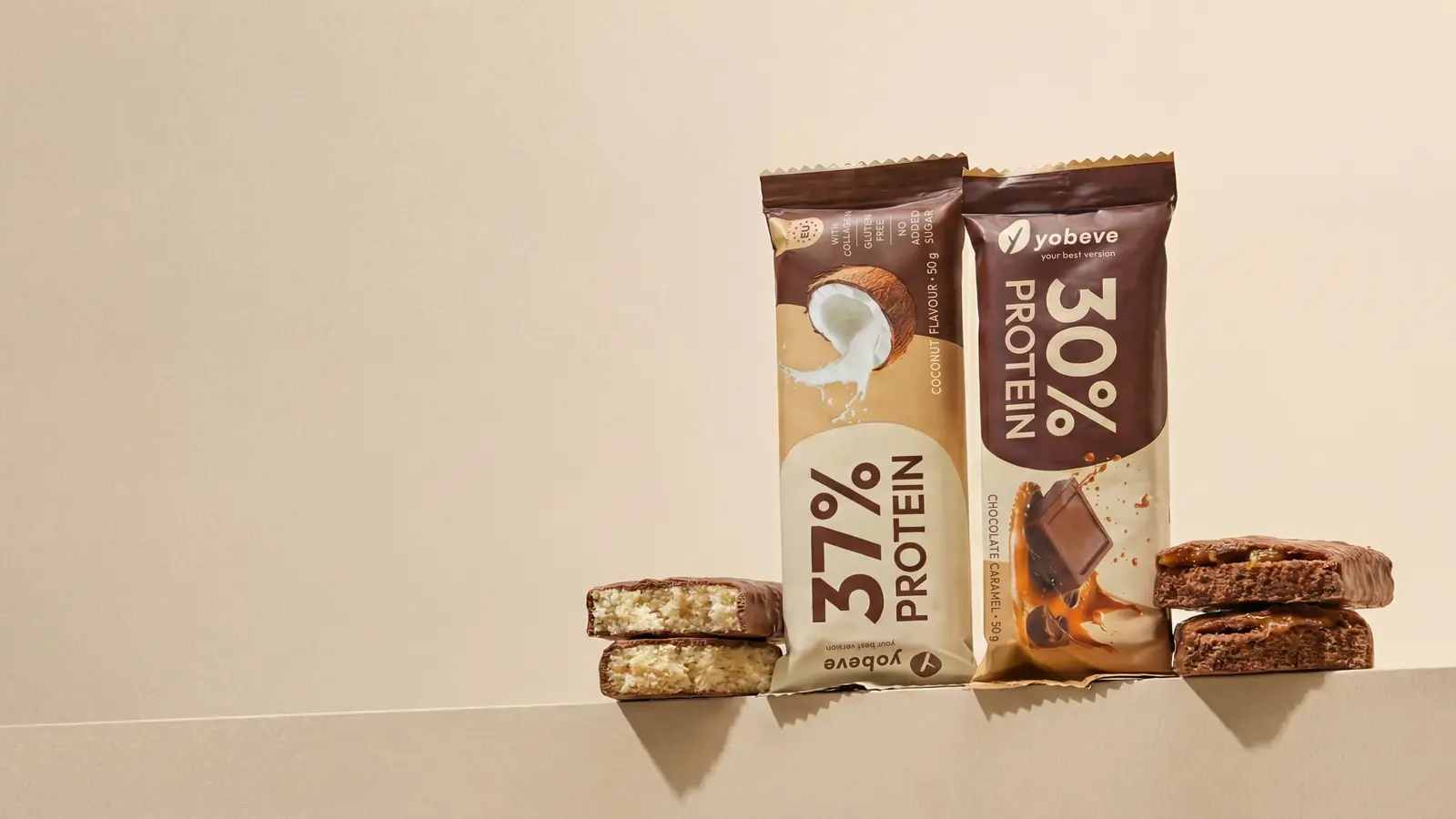
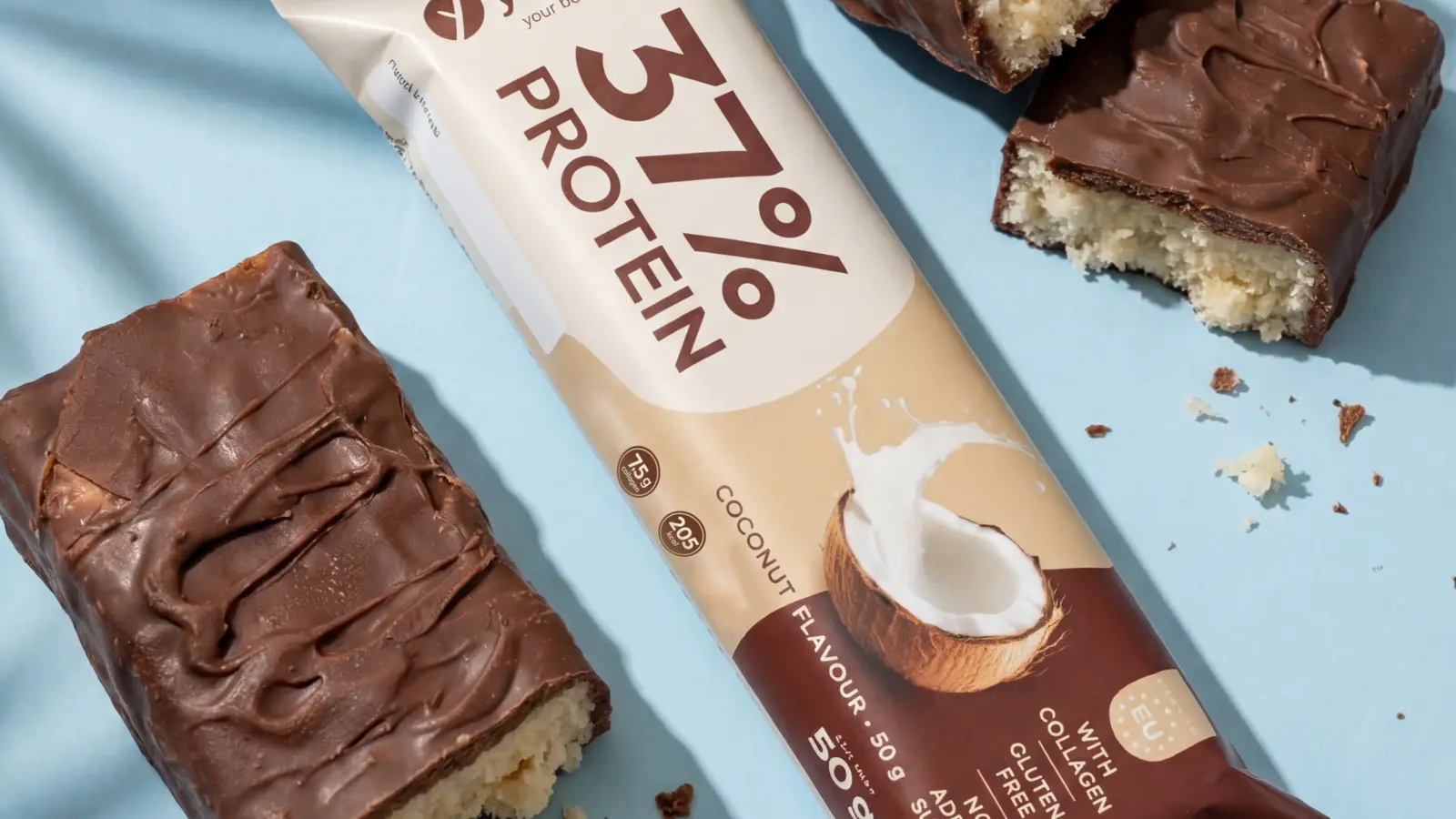
Yobeve thuộc nhóm protein bar mềm có lớp phủ. Mỗi thanh 50 g có 205 kcal, cung cấp 15 g protein ở vị Chocolate Caramel hoặc 18,5 g ở vị Coconut. Công thức dùng MPC làm nguyên liệu protein chính, kết hợp collagen thủy phân, không thêm đường và được sản xuất tại Slovakia, Liên minh châu Âu. Chocolate Caramel Protein Bar có hương chocolate-caramel đậm đà; Coconut Protein Bar có hương dừa nhiệt đới.
Thanh protein không phải lựa chọn cho mọi bữa chính, nhưng rất hữu ích khi bạn đang ở văn phòng, trên đường đi tập, đang du lịch, hoặc không muốn chọn bánh ngọt lúc đói.
Kết luận
Hãy chọn theo mục đích sử dụng. Thanh năng lượng có thể phù hợp khi cần carbohydrate cho hoạt động kéo dài; protein bar phù hợp hơn khi bạn muốn bữa phụ đóng góp một lượng protein rõ ràng. Trong cả hai trường hợp, hãy đọc toàn bộ nhãn thay vì chỉ dựa vào tên sản phẩm.