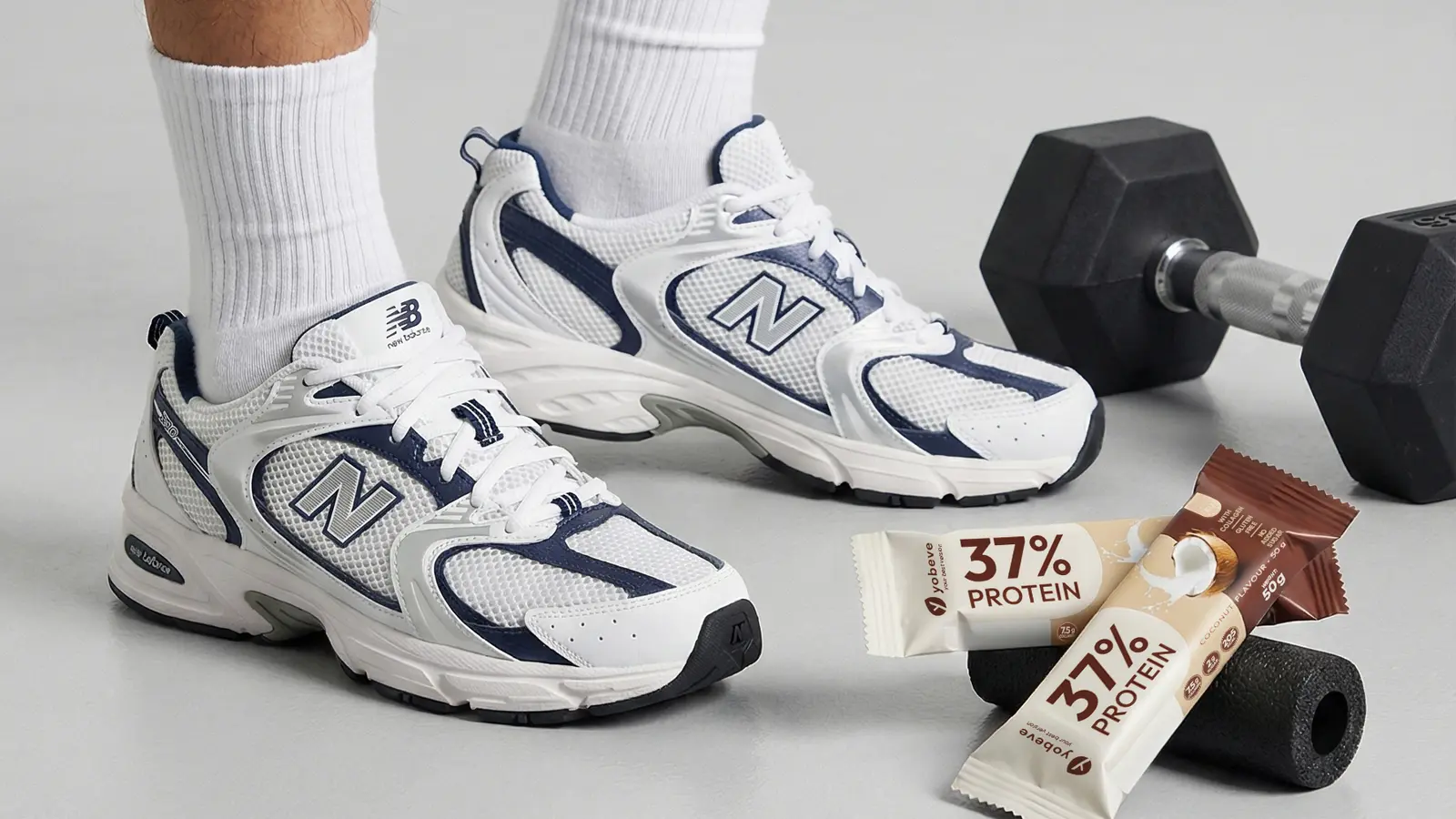
Nếu bạn tập gym, protein là một trong những nền tảng dinh dưỡng cần quan tâm. Mục tiêu là ăn đủ protein trong ngày, phân bổ hợp lý và chọn các nguồn phù hợp với khẩu vị, ngân sách và lịch sinh hoạt.
Người tập gym cần bao nhiêu protein?
Nhu cầu phụ thuộc vào cân nặng, cường độ tập, mục tiêu tập luyện hoặc kiểm soát cân nặng và tổng năng lượng nạp vào. Với người trưởng thành khỏe mạnh ít vận động, mức tham khảo cơ bản thường là 0,8 g/kg/ngày. Với người tập luyện đều, ISSN đưa ra khoảng 1,4-2,0 g/kg/ngày để hỗ trợ thích nghi với tập luyện.
Ví dụ người 65 kg tập 3-5 buổi/tuần có thể cân nhắc khoảng 90-130 g/ngày, tùy mục tiêu. Đây không phải đơn thuốc; hãy xem như khoảng tham khảo để trao đổi thêm với huấn luyện viên hoặc chuyên gia dinh dưỡng nếu cần.
Có cần ăn protein ngay sau tập không?
Bạn không cần bổ sung protein ngay trong vài phút sau buổi tập. Tổng lượng protein trong ngày vẫn là nền tảng. Một bữa chính hoặc bữa phụ có protein trong vài giờ quanh buổi tập là cách thực tế để phân bổ lượng đạm, đặc biệt khi bữa trước đó đã cách xa.
Nguồn protein phổ biến
| Nguồn | Điểm mạnh | Lưu ý |
|---|
| Trứng | Dễ mua, dễ chế biến | Kết hợp với thực phẩm khác để bữa ăn đa dạng |
| Gà, cá, thịt nạc | Giàu protein | Cần chuẩn bị |
| Đậu phụ, đậu | Phù hợp bữa Việt | Có thể cần khẩu phần lớn hơn |
| Sữa chua Hy Lạp, sữa protein | Tiện | Kiểm tra đường |
| Whey hoặc bột protein | Pha nhanh, dễ định lượng | Hữu ích nhưng không bắt buộc |
| Protein bar | Dễ mang theo | Đọc nhãn và tổng năng lượng |
Protein bar có hợp với người tập gym không?
Có. Thanh protein tiện khi bạn tập sau giờ làm, không có thời gian chuẩn bị bữa phụ hoặc cần món gọn trong ba lô. Nó không thay thế chế độ ăn trong cả ngày, nhưng giúp bạn bổ sung một lượng protein được ghi rõ khi bữa tiếp theo còn xa.
Mỗi thanh Yobeve nặng 50 g và có 205 kcal. Chocolate Caramel Protein Bar cung cấp 15 g protein; Coconut Protein Bar cung cấp 18,5 g protein. Cả hai dùng MPC làm nguyên liệu protein chính, kết hợp collagen thủy phân và không thêm đường.
Mẫu phân bổ đơn giản
- Sáng: trứng hoặc sữa chua Hy Lạp.
- Trưa: cơm với nguồn đạm chính.
- Trước tập: bữa phụ nhẹ nếu đói.
- Sau tập: bữa tối hoặc protein bar nếu chưa ăn được.
- Tối: đạm vừa đủ, rau và tinh bột theo mục tiêu.
Kết luận
Protein cho người tập gym không cần phức tạp. Hãy ưu tiên tổng lượng mỗi ngày, phân bổ đều, chọn nguồn dễ duy trì và dùng protein bar như một lựa chọn tiện lợi khi lịch tập và công việc đều dày.