What Is a Protein Shake? Powder vs Ready-to-Drink
Understand protein shakes, whey shakes, milk-based RTD drinks, and how to choose the right format for training and busy days.
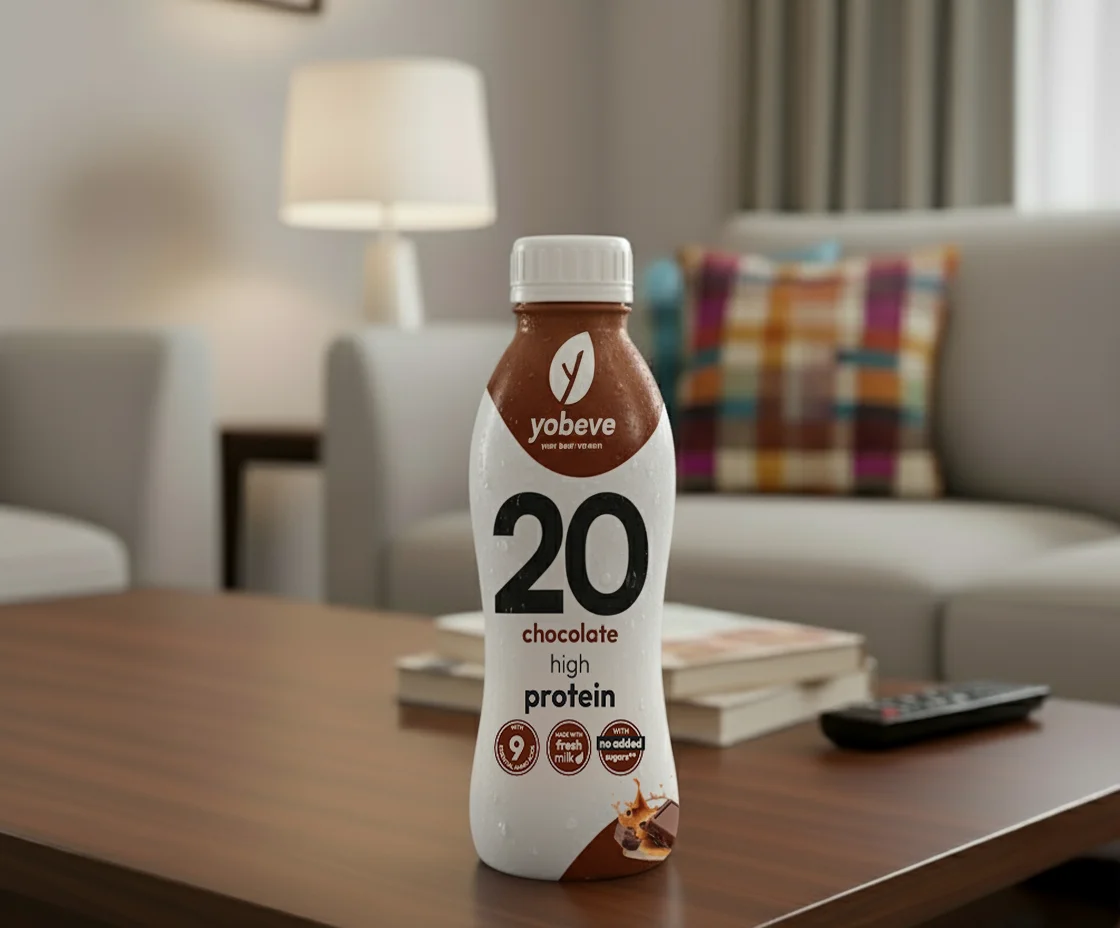
Protein shake is one of the most common search terms around gym nutrition. In Vietnam, many people picture whey powder mixed in a shaker bottle. That is one version, but the category is broader: a protein shake can be powder-based, smoothie-style, milk-based, or ready-to-drink.
The key point is simple. A protein shake does not automatically build muscle, cause weight loss, or replace a balanced meal. It is just one way to add protein to your day.
What is a protein shake?
A protein shake is a drink with a clear protein serving. The protein may come from whey, casein, milk, collagen, pea protein, or a blend. Some shakes are built for post-workout use, some for snacking, and some are closer to meal replacements.
The label tells you what it really is:
| Name | Usually means |
|---|---|
| Whey shake | Whey powder mixed with water or milk |
| RTD protein shake | Ready-to-drink protein in a bottle or carton |
| Milk protein drink | Milk-based protein drink |
| Meal replacement shake | More calories and nutrients than a basic protein shake |
Where powder works best
Protein powder is strong for people who train seriously and want control. You know how much protein is in each scoop, you can adjust water or milk, and the cost per gram of protein is often better.
The downside is friction. You need a shaker, clean water, time to mix, and somewhere to clean the bottle. If you commute, work long days, or leave the gym in a rush, powder is not always convenient.
Where ready-to-drink works best
A ready-to-drink protein shake wins on behavior. Open, drink, done. That matters because the best nutrition product is the one you can actually use consistently.
RTD protein shakes fit when:
- You train before work or between appointments.
- You want a protein snack at the office.
- You dislike powder texture.
- You want to replace a sweet drink with something higher in protein.
- You need a measured serving without mixing.
If the product is milk-based or fresh-milk-style, the experience can feel closer to a normal drink than a supplement. The tradeoff is storage, shelf life, and lactose tolerance.
Do protein shakes help with weight management?
They can, but only in context. A protein shake may help if it replaces a low-protein, high-sugar snack or helps you stay full within your overall calorie target. If you simply add it on top of everything else, it still adds energy.
Ask: what is this replacing? Replacing milk tea or a pastry is different from adding a shake after a large meal.
Do you need one after every workout?
No. Your body needs enough protein across the day. It does not require one specific shake. Food, yogurt, eggs, fish, meat, whey, protein bars, and RTD protein drinks can all contribute.
For regular training, sports nutrition guidance focuses on total daily protein and distribution across the day, not a single magic moment.
How to choose a protein shake
Use five checks:
- Clear grams of protein per serving.
- Added sugar that fits your goal.
- Calories that make sense for a snack or post-workout drink.
- Format that fits your life: powder, RTD, milk-based drink, or protein bar.
- Taste good enough to repeat.
If you prefer a snack format, read what is a protein bar. If you are comparing powders, read what is whey protein.
Bottom line
A protein shake is a tool, not a shortcut. Powder is best for control. Ready-to-drink is best for convenience. Milk-based RTD protein is especially interesting for people who want protein without making every snack feel like a supplement.
Sources: ISSN Position Stand on protein and exercise, FDA on the Nutrition Facts label.