Adding a protein bar to a distribution portfolio is a different decision from putting a few bars beside a café till. You need a product that fits the outlets you serve, a supply arrangement you understand, and enough information for your sales team to represent it accurately.
If you are considering protein bar distribution in Vietnam, start the conversation with your channels and operating plan. A clear picture of where you sell is more useful than asking for a price without describing the business behind the order.
Describe the network you already serve
List your main channels: independent gyms, minimarts, cafés, hotels, specialist nutrition shops, or another type of outlet. Note the areas you cover, how often you deliver, and whether orders go through your warehouse or directly to stores.
An existing snack route and a new online retail business need different support. Be specific about your current setup and what you want to build, so both sides can assess whether the partnership fits.
If you are buying for one location, our supplier selection guide may be the more useful starting point.
Understand what you will be selling
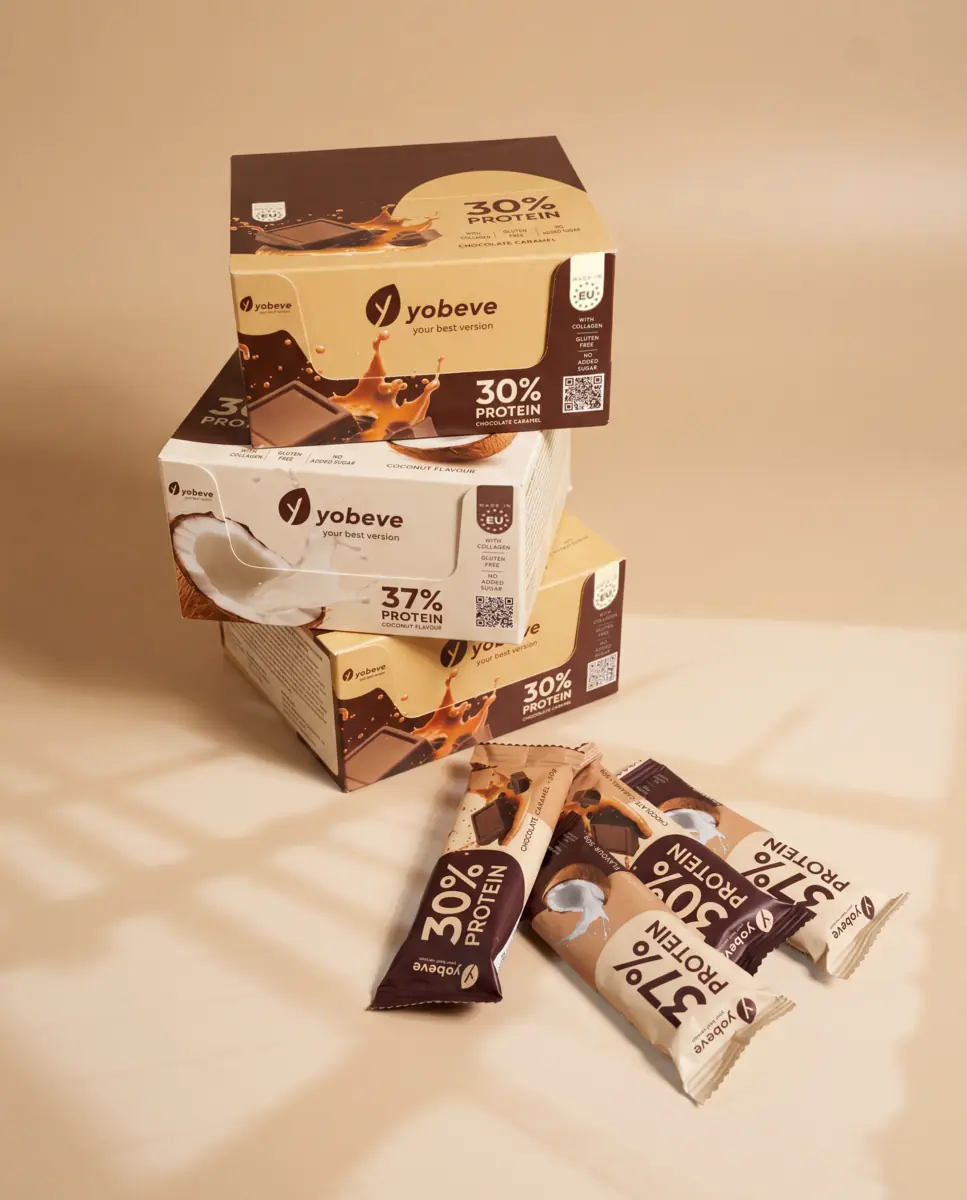
For Yobeve, the starting range is two 50 g bars made in Slovakia, in the European Union:
Both are sold in 12-bar display boxes. They contain milk protein and collagen and are not vegan. Read the full flavour-specific ingredients and allergens before deciding which outlets or customer groups to approach.
Yobeve is a Vietnamese brand with EU-made bars. Our brand and production story explains that background. When asking about supply, distinguish stock for resale in Vietnam from plans for another market; tell us where the goods will ultimately be sold.
Ask for the details behind the price
Request a written quote for the quantities and delivery location you are considering. Clarify the ordering unit, payment terms, delivery costs, and how changes to the price list are communicated.
For your own business, account for the work between receiving stock and selling it: storage, delivery to outlets, samples, promotions you choose to run, and any handling costs. A headline discount alone will not describe those costs.
If you want a particular territory or channel arrangement, raise that directly. Confirm what has actually been agreed before promising it to your own customers or sales team.
Make the stock plan concrete
A useful first discussion should cover:
- Opening and repeat orders: the quantities you expect to buy and how regularly you would reorder.
- Shelf life at delivery: the printed dates and remaining shelf life of the stock offered.
- Storage and transport: how the product instructions fit your warehouse, vehicles, and outlets.
- Supply updates: who will tell you about availability, packaging changes, or an order delay.
- Receiving issues: the contact and reporting process if cartons or wrappers arrive damaged.
Use your actual outlet plan when discussing quantities. A delivery to several stores, each taking one display box, is a different opening order from supplying one location. Confirm any minimum order with the brand rather than assuming a consumer pack size establishes distributor terms.
Give your sales team information they can use
Ask what current product images, specifications, label information, and display materials are available. Keep the version your team uses in step with the packaging being supplied.
Simple, accurate answers help at store level: the weight of a bar, protein per serving, the flavour, the price the outlet is using, and where to find ingredients and allergens. For the no-added-sugar claim, our label guide explains why total sugars and calories still appear on the panel.
Browse our stockist directory for examples of the retail settings where Yobeve is listed. A visit can help you picture how the range would fit the outlets you serve; check with the store before travelling, as its stock may change.
Start the distributor conversation
Use the distributor enquiry form to describe your business, areas served, and approximate volume. Mention the channels you supply and any questions about samples, product information, or trade terms.
That gives us a practical starting point for discussing the current range and supply options. For the people who will receive and handle the stock, share the storage and display guide as well.