Protein Drinks: When Ready-to-Drink Makes Sense
Compare protein drinks, protein water, RTD protein milk, and protein bars so you can choose the right format for busy days.
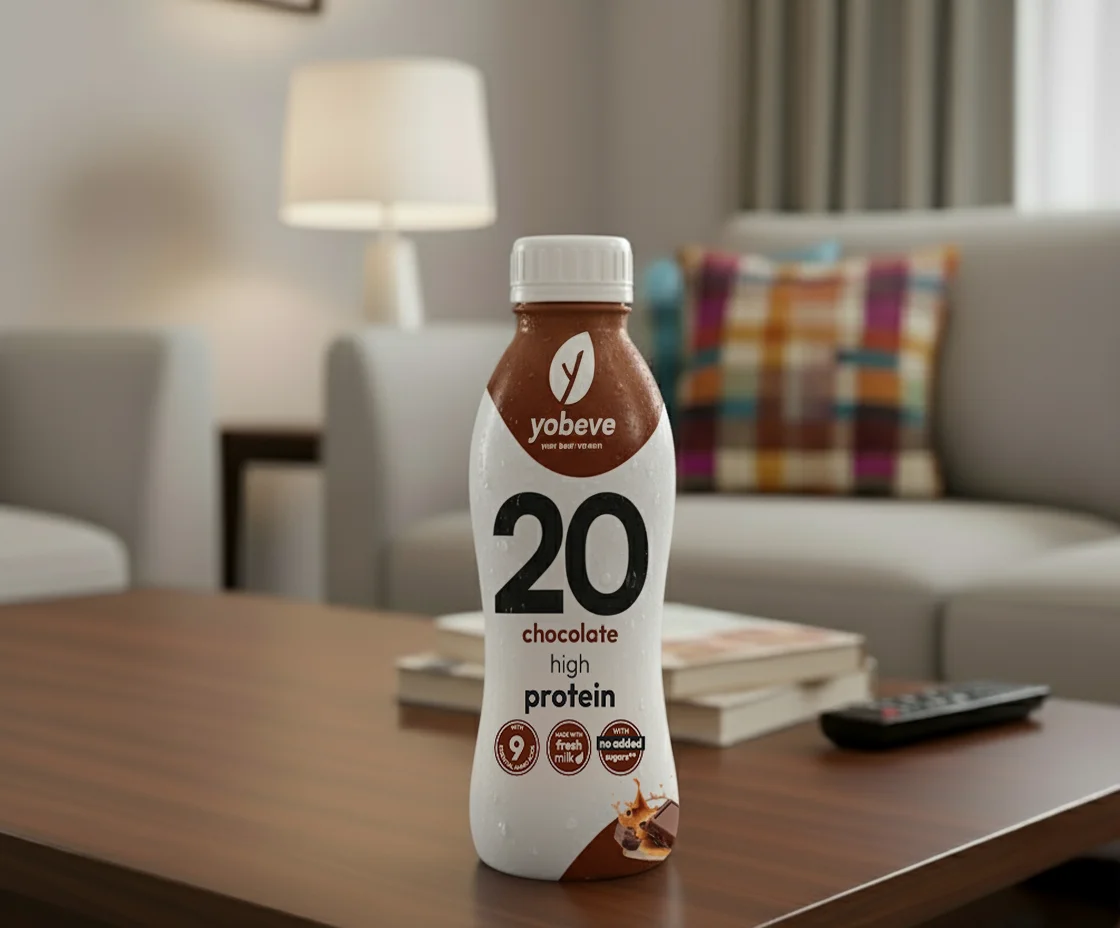
Searches for nước uống protein, nước protein, protein drink, and protein water point to one behavior: people want protein as easy as opening a bottle. They do not always want powder, scoops, and cleanup.
That makes ready-to-drink protein interesting in Vietnam. Daily life is mobile: work, school, gym, coffee stops, food delivery, and commuting. A good protein drink can fit that routine if the formula is clear.
What is a protein drink?
A protein drink is a bottled or cartoned beverage with a clear protein amount per serving. Two formats are common:
| Format | Typical feel |
|---|---|
| Protein water | Lighter, often clearer, closer to flavored water |
| Protein milk / protein drink | Milk-based or milk-flavored, more snack-like |
Protein water may fit people who want something light. But if the goal is satiety, taste, and a more food-like snack, milk-based protein drinks can be more compelling.
How is it different from whey mixed with water?
Whey mixed with water can be efficient and affordable. But it requires behavior: a shaker, powder, clean water, mixing, and cleanup. RTD protein removes those steps.
The tradeoff is price, storage, and formula quality. A good protein drink needs to justify itself through a clear label and a better user experience, not convenience alone.
When RTD protein makes sense
Choose a ready-to-drink protein option when you want less friction:
- Rushed mornings.
- Post-workout moments without time to mix whey.
- Afternoon sweet cravings.
- Work travel or commuting.
- You dislike powder texture or shaker bottles.
If the drink is milk-based, treat it like a protein snack, not unlimited refreshment. Calories still count.
Can a protein drink replace a meal?
Usually, a basic protein drink should not be treated as a full meal. It can be a snack or a protein boost. A balanced meal still needs enough energy, fiber, micronutrients, suitable fats, and a wider range of foods.
If a product is marketed as a meal replacement, read the label carefully because the standard is different from a normal protein drink.
How to read the label
Use six checks:
- Protein per bottle.
- Added sugar and total sugar.
- Calories.
- Saturated fat if it is dairy-based.
- Lactose if milk bothers your stomach.
- Storage: chilled, UHT, or shelf-stable.
Do not stop at the word "protein." A drink with 5 g protein and lots of sugar may not serve your goal as well as one with a clearer protein serving and more controlled calories.
Protein drink or protein bar?
Choose a protein drink when you want speed and easy sipping. Choose a protein bar when you want chew, more snack feel, and something you can keep in a bag. If the product needs refrigeration, bars are easier to store for long days.
To compare snack formats, read what is a protein bar. Today, yobeve focuses on portable bars like Chocolate Caramel and Coconut.
Bottom line
Protein drinks are a real opportunity in Vietnam, but the winning product will not be just "a drink with protein." It needs taste, convenience, a clear label, reasonable sugar, and storage that fits everyday life.
Sources: FDA on the Nutrition Facts label, FDA on added sugars, Harvard Nutrition Source on milk.